The last few years have witnessed a substantial shift from in-store shopping to online store shopping. What we mean is, eCommerce has become a consequential part of the global retail framework. Thanks to the ongoing digitization and advent of the internet, the retail industry has undergone a significant evolution where consumers, around the globe, benefit from the perks of online shopping.
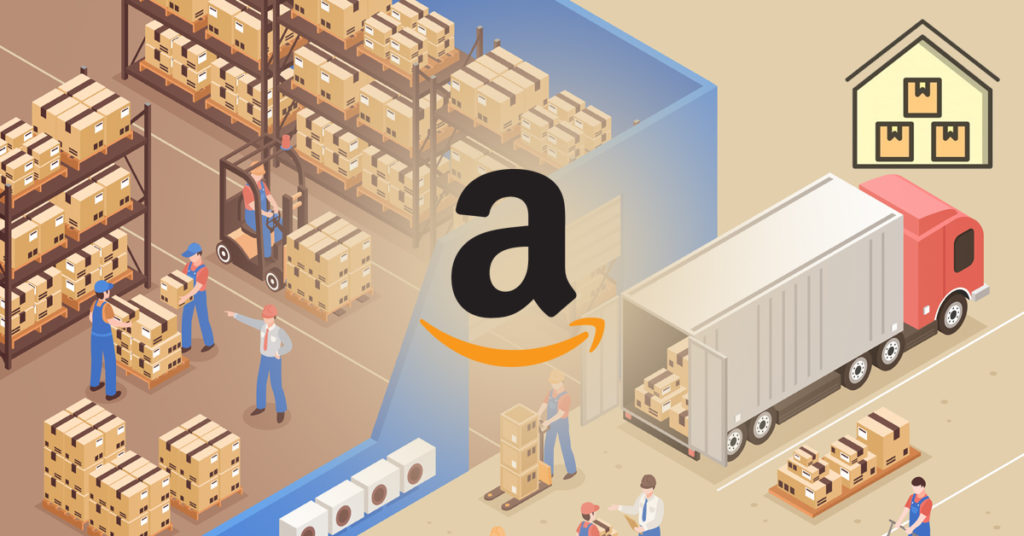
Amazon has restricted the inventory storage limits for all the sellers conducting business on the marketplace. Infact, sellers even received an email saying – “Your products will no longer be subject to ASIN-level quantity limits. Instead, restock limits will be set at the storage-type level.”
As an Amazon seller, you must be curious to know everything related to this announcement and how this can impact the storefront owners in terms of Amazon inventory management. So, here’s a detailed overview of what Amazon is actually up to and what it means for the sellers intending to conduct their online business on the marketplace. But first, let us throw some light on what actually happened.
Within a month of its launch, Amazon generated $20,000 per week. Within two decades, it became a household name in the eCommerce industry, serving millions of shoppers. Today, as the world’s largest online retailer, Amazon provides sellers, across the globe, with a similar shot at success.
However, the eCommerce industry isn’t the same as it was in 1994 – when Amazon started its operations; it has drastically evolved ever since. Present-day sellers have their hands full. From managing inventory to monitoring views to resolving customer queries to keeping a check on the sales tab, they have their tables full. Considering the circumstances, Amazon Virtual Assistant has surfaced as one of the perfect solutions to sellers’ woes.
Selling on eBay and making money isn’t rocket science. That being said, eBay sellers need to be consistent in their efforts to optimize listings. Optimizing basically helps in increasing the exposure of your products and brand on the search engines as well as eBay. The intent should be to employ effective ways to attract potential buyers with the right eBay listing optimization process.
Here we will discuss the various eBay selling tips that will help you outrank your competitors, sell more, and bring in more conversions in 2021.
Amazon is ruling all over the world. Most of us spend half of our salary shopping from Amazon Prime. From buying random household products, stocking up kitchen and bathroom products, to adding new clothes to your wardrobe. Even when you have nothing to buy, you would end up buying your beloved snacks in bulk. That’s what Amazon is, completely irresistible, it makes our life more convenient and affordable.
Digital photography plays a crucial role in staying afloat in a highly competitive marketplace, that too from a marketing point of view. In order to build a robust brand image, it is important that professionally edited images and photographs are used, conveying your message in the best possible way. And this is the reason why photo editing is emerging as an integral part of branding, communication, and marketing strategy.
With more than 1.5 bn live listings, eBay marketplace has grown to become the global eCommerce leader wherein you can sell a lot of things such as collectibles, gadgets, jewellery, books, etc. If you are on the lookout to increase sales on this dynamic platform, you must first keep your product listings effectively optimized. This would not only ensure that you stay ahead of your competing counterparts, but also help you sell better.
eBay listing optimization helps your potential buyers easily find you make the shopping experience seamless. Now, let us throw some light on how you can optimize your eBay listings and get the most out of your eBay storefront:
Amazon has taken over the e-commerce market since its inception as it has an inventory of approx. 12 million products including all categories. Moreover, the net value of amazon increases over 47$ yearly which is why it is beneficial for the sellers to list their products on amazon. It helps you boost your sales and get higher profits.
During the current coronavirus outbreak, most Amazon sellers are finding it difficult to cope up with the recent changes in its policies, ever increasing demand patterns, supply chain delays, surges in seller fees, and whatnot! Glance through the various ways you can continue to sail smooth on Amazon with a robust selling strategy:
Writing product descriptionsis an odd art. It’s basically stringing up words that can get you sales. At the same time, it’s a balancing act between appeasing a ranking algorithm and solving a customer’s query.